Identity verification stories
AI-native cyber attacks and synthetic IDs are forcing firms to shift from periodic checks to continuous, AI-driven security testing by 2026.
Rising fraud is exploiting fake and disposable emails; smarter validation at sign-up and checkout can block attacks before they cost you.
One in five Australians has been duped by fake online tickets, losing an average AUD $432 as scams surge ahead of the busy summer events season.
Phone numbers are becoming the new trust filter, helping businesses block fraud, cut wasted messages and secure real, reachable customers.
Online gaming faces a hidden surge of fake players; here's how operators can detect bots, fraudsters and protect fair play at scale.
LexisNexis has upgraded its IDVerse platform with advanced deepfake detection and unified fraud controls, improving security and user experience globally.
SecurEnvoy says flexible, phishing-resistant MFA is becoming essential as attackers increasingly exploit human error and regulatory pressure intensifies.
KnowBe4 predicts agentic AI, quantum computing, and cybercrime evolution will reshape global cybersecurity and workforce practices in 2026.
Success in China's booming $378 billion cross-border eCommerce market hinges on clean, accurate data-not just logistics-for speedy delivery and happy customers.
AI-driven identity fraud spikes with deepfakes causing 58% rise in biometric scams and a 40% surge in injection attacks, says Entrust report.
Media.com touts a fully verified social network as Australia and other nations tighten age limits and safety rules on big platforms.
AI-fuelled cybercrime will outpace human intuition by 2026, as deepfakes, emotional scams and synthetic identities erode online trust.
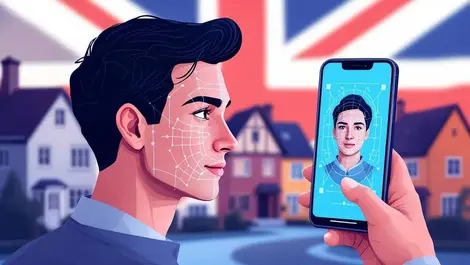
Thirdfort adopts iProov biometrics to streamline UK property ID checks and combat AI-driven fraud in deals worth billions of GBP £1.6bn+.
AI-fuelled synthetic ID fraud is surging, set to cost firms USD $23 billion by 2025 and USD $58.3 billion by 2030 without stronger checks.
Trend Micro warns AI-driven scams will surge by 2026, using deepfakes and multi-channel tactics to trap victims in sophisticated frauds globally.
By 2026, AI-driven deepfakes and cyber threats will transform digital identity, forcing firms to adopt continuous verification and quantum-safe cryptography.
AI-driven fraud, including synthetic identities and real-time deepfake attacks, surges in financial services, prompting urgent defence upgrades for 2026.
Secure data sharing via Consumer Data Right and Digital ID could streamline real estate processes, easing rental applications and boosting privacy in Australia's market.
With AI fakes on the rise, owning verifiable, private credentials is key to protecting your identity and proving your truth online in 2025.
In 2026, ICANN will reopen applications for new generic top-level domains, offering brands a rare chance to own and control their digital identity online.