

The Ultimate Guide to Multi-factor authentication
A curated Irish edition of TechDay news, analysis, interviews, reviews, job moves, and related resources for Multi-factor authentication (MFA).
What to know about Multi-factor authentication
Multi-factor authentication (MFA) is a cybersecurity process that requires users to present multiple forms of verification before gaining access to systems or data, significantly reducing the risk of unauthorized access. With cyber threats on the rise, including data breaches, ransomware, and phishing attacks targeting both individuals and organisations, MFA has become a critical component in digital security strategies.
Recent developments highlight the expanding adoption of MFA across various industries and technologies, from cloud services and identity management platforms to hardware-based security keys and biometric authentication methods. MFA solutions continue to evolve, addressing challenges such as ease of use, phishing resistance, and integration with emerging technologies like AI and cloud computing.
For readers interested in understanding how MFA strengthens digital security, mitigates risks associated with compromised credentials, and supports compliance with cybersecurity standards, these stories offer valuable insights. Exploring MFA-related topics can help individuals and organisations make informed decisions on implementing robust, adaptive authentication measures to protect sensitive information in an increasingly connected world.
Irish Multi-factor authentication News
Regional stories with direct local relevance
Analyst Insights
Research and market analysis connected to Multi-factor authentication
Deepfake fraud attacks rise 180% as identity checks fail

Mandiant study finds USD $4.3 million annual benefit

Gartner says 40% of governments will create TrustOps

Infobip launches AgentOS platform, targets agentic AI shift
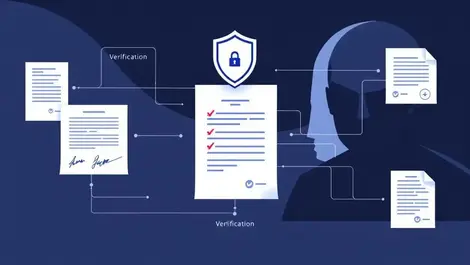
DigiCert updates document trust tool to curb AI fraud
Expert Columns

SOCtoberfest: The four habits that stop most attacks - passwords, MFA, phishing and patching

Seven Cyber Controls Businesses Can No Longer Afford to Overlook

SOCtoberfest Kickoff: The 7 Deadly Sins of Cybersecurity Meet CISA's Core Steps

Stop saying AI hacked the system

Why You Need Phone Validation in Your Customer Data Toolkit

The Hidden Cost of Identity Friction in Retail

Cyber hygiene 101: The big fundamentals

A long time ago in a galaxy far, far away…Cybersecurity was already hard

Why service desks are emerging as a critical security weakness

Stolen credentials don't have to mean a breach
Interviews
Interviews and video coverage from the network

Recent Multi-factor authentication News

Fortinet urges urgent patching after AI-found flaws
Enterprise and service provider users are being told to patch exposed devices first as Fortinet warns AI is accelerating exploit development.

Meta's Muse AI agent seen in half of customer traffic
Security teams face a new attribution problem as Meta's Muse AI agent can slip into customer traffic while posing as an ordinary browser.
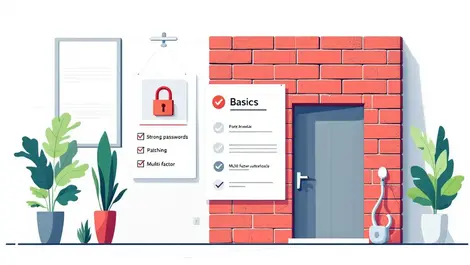
Secure.com says ransomware budgets should fix basics first
Most attacks still start with weak credentials, unpatched systems or phishing, so the firm says budgets should shore up basics before AI fears.

Identity-led intrusions drive cyber extortion tactics
Attackers are exploiting trusted identities and collaboration tools to steal data and extort victims, leaving defenders with only brief windows to react.

Broadcom launches HyperArmour to protect VMware ESX
It aims to close a common gap in private cloud defences by blocking hypervisor attacks before unpatched flaws or stolen root credentials can be abused.

HID joins FIDO Alliance board as passkey use grows
As organisations roll out passkeys beyond pilots, the alliance gains enterprise input on interoperability, recovery and lifecycle management.
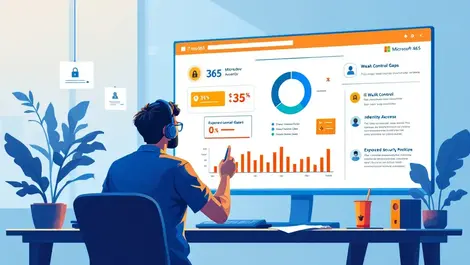
CoreView launches Microsoft 365 security research lab
The research aims to expose gaps in Microsoft 365 controls, after CoreView found many IT leaders overstate their security posture.

China-linked TA419 targets US AI policy experts in phishing
Researchers say the phishing campaign could expose sensitive thinking on AI regulation, export controls and supply chains in Washington.

Fraudulent hires get credentials before detection, HYPR
Most fake hires are exposed only after getting system access, leaving companies vulnerable for days and often weeks before a fraud is spotted.
Financial services top mobile verification activity
Financial firms accounted for 41.6% of verified mobile activity in the first half of 2026, as numbers became central to banking and account recovery.

SEB Baltic taps Entersekt for payment authentication
The deal gives the Baltic bank a risk-based way to cut card fraud while reducing friction for online shoppers across the region.

Ping Identity launches three agents on Google Cloud
Ping Identity has launched three identity agents that let employees and administrators manage identity tasks through Google Cloud Gemini Enterprise.

Blackpoint adds identity threat tools to CompassOne
The update gives Microsoft 365, Google Workspace and Cisco Duo users faster containment and clearer evidence as identity attacks rise.

Akira exploits two-year-old SonicWall flaw, ThreatDown says
Thousands of exposed SonicWall devices still give Akira ransomware a route in, as patched systems with old credentials remain a live risk.

Barracuda spots blob URL phishing in Microsoft browser
Security teams may miss the attack because it leaves no persistent phishing site, instead building fake Microsoft login pages inside the browser.

Automotive firms face crisis after 24 hours' outage
Outages could shut down vehicle makers and suppliers in hours, with 87% of organisations saying they cannot cope for more than a day.

AI-generated cyber attacks to hit firms soon, warn experts
Many firms lack the capacity to fix existing flaws fast enough, leaving them exposed as AI-generated attacks scale up, experts warn.

Microsoft 365 readiness gaps worry MSPs as AI demand grows
Only 3% of MSPs said every client tenant is Copilot-ready, despite AI governance becoming the fastest-growing request.

Security leaders overconfident as authentication lags
Most firms have not meaningfully upgraded authentication for years, despite rising identity-breach risks and an estimated USD $4.4 million hit per breach.

Infobip launches SIM-based number verification for operators
The new service could help mobile operators earn from identity services as businesses seek safer alternatives to one-time passwords.