Regulatory technology stories
Australian government and regulated customers can now keep DNS and address data in Sydney as Infoblox expands its local cloud footprint.
Rising AI bills and stricter oversight are pushing enterprises to seek tools that can track usage, data access and compliance.
It aims to help enterprises trace and undo unintended actions by AI agents before they spread across data, applications and infrastructure.
The fresh cash will expand Denmark's Gefion supercomputer capacity for public bodies, researchers and regulated industries as AI demand grows.
Customers in several countries can now get billing and account answers from Orange's AI agents, which are restricted to internal records and costs.
A governance gap could leave large Asia Pacific firms exposed, with Forrester predicting shadow AI agents will outnumber approved ones by 10 to 1.
The recognition could help Boomi win enterprise buyers as firms race to govern AI agents, with Gartner's Visionary label boosting its profile.
Security teams can now spot unauthorised AI tools on developer machines before they reach production, as JFrog extends its controls.
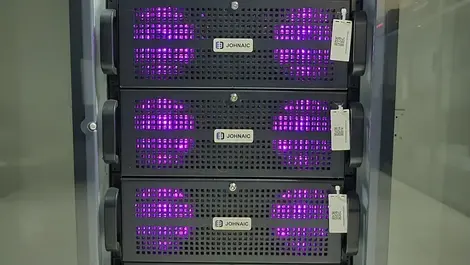
The Bengaluru startup will add factory capacity for up to 100 AI servers a month as banks and public agencies seek private, compliant AI systems.
The repeat honour could help the company win regulated customers as it expands from digital fax into AI document processing and interoperability.
Defence and government teams will be able to share live operational updates across classified networks without switching terminals or relying on file transfers.
The service aims to help firms spot security and resilience gaps before software faults disrupt operations or trigger regulatory scrutiny.
The integration is aimed at firms under regulatory and AI scrutiny, helping them trace data changes and see which reports or systems could be affected.
The assessment should make it easier for Australian agencies and regulated firms to buy Smartsheet, after an independent review cleared its controls for sensitive data.
Banks, hospitals and universities can now keep transactional email data and logs onshore under the new region, easing compliance pressure.
The recognition underscores growing demand for cloud-native tools that can govern human, machine and AI access to sensitive systems.
Federal agencies can now buy DataOS for sensitive unclassified workloads after its FedRAMP High certification through Second Front's Game Warden.
Enterprises in regulated sectors can now access private AI clusters without stitching together multiple vendors, under Smartbird's first strategic infrastructure partnership.
The rollout is already cutting the compliance team's time on regulatory monitoring and mapping across multiple jurisdictions for the fintech.
The AI review system cuts infrastructure release checks on GSS's sanctions screening platform from about two days to under four hours.